Blog

How to Use Your VA Benefits for In-Home Care in King and Snohomish Counties

Lily Makundi • January 20, 2026

If you're a veteran: or you love someone who served: you already know that navigating benefits can feel like a full-time job. The paperwork. The phone calls. The waiting. It's a lot.


But here's the good news: the VA offers programs that can help cover in-home care costs. And if you live in King or Snohomish County, you have access to quality home care providers who accept these benefits.


What Is VA In-Home Care?


In-home care means a trained caregiver comes to your home to help with daily tasks. This can include things like bathing, dressing, cooking meals, light housekeeping, and getting to doctor's appointments.


The VA recognizes that many veterans prefer to age in place: right in their own homes: rather than move to a facility. That's why they offer programs to make this possible.


The goal? Help veterans maintain their independence, dignity, and quality of life. All while staying in the comfort of home.


Key VA Programs for In-Home Care


There are a few different VA programs that can help pay for home care services. Let's look at the main ones.


1. Homemaker and Home Health Aide (H/HHA) Program


This is the VA's primary in-home care benefit. It provides assistance with daily living activities like:

  • Light housekeeping
  • Laundry
  • Meal preparation
  • Grocery shopping
  • Escorting to medical appointments
  • Personal care and companionship

All enrolled veterans are eligible if they meet certain clinical criteria. Your VA care team will evaluate your needs to determine if you qualify.


The best part? The VA covers most costs for eligible veterans. Those with service-connected disabilities typically pay nothing. Others may have a small copay after the first 21 days of care.


2. Aid and Attendance Benefit


This is a monthly pension benefit for veterans who need help with daily activities. It's available to wartime veterans (and surviving spouses) who meet certain income and asset requirements.

The Aid and Attendance benefit provides extra money on top of your regular pension. You can use it to pay for in-home care, assisted living, or nursing home costs.

This one requires a separate application. But it can make a big difference in affording the care you need.


3. Veteran Directed Care (VDC)


Want more control over your care? The VDC program lets you manage your own budget and choose your own caregivers: including family members in some cases.

You'll work with a care coordinator to create a plan that fits your needs. Then you decide how to spend your monthly budget on services that help you stay independent. It's a great option for veterans who want flexibility and choice.


Who Qualifies for VA In-Home Care?


Eligibility depends on your health needs, service history, and enrollment status. Here's a quick overview.


To qualify for the H/HHA program, you typically need to meet criteria like:

  • Dependencies in three or more activities of daily living (ADLs) such as bathing, dressing, eating, or mobility
  • Significant cognitive impairment
  • Dependencies in two ADLs combined with factors like being 75+, having clinical depression, living alone, or recent hospitalization
  • Recent discharge from a nursing facility or high use of medical services


Your VA primary care provider or geriatrics care team will conduct a comprehensive evaluation. They'll determine what level of care you need and what programs you qualify for.


5 Steps to Access Your VA In-Home Care Benefits


1. Enroll in VA Health Care

If you haven't already, you'll need to enroll in VA health care. You can do this online, by phone, or in person at your local VA facility.

2. Connect with Your VA Primary Care Provider

Schedule an appointment with your VA doctor. Let them know you're interested in home care services. They'll conduct an assessment and determine your eligibility.

3. Get a Doctor's Order

Your VA provider needs to write an order for home care services. This is required before you can start receiving care.

4. Choose a VA-Approved Home Care Provider

The VA works with approved home care agencies in your area. Make sure to choose a provider that accepts VA benefits and serves your specific city or neighborhood.

5. Start Receiving Care!

Once everything is approved, your caregiver can begin helping you at home. Your VA care team will check in periodically to make sure everything is going well.


Where We Serve in King and Snohomish Counties


If you live in the Puget Sound area, you're in luck. There are quality home care options available right in your community.


In King County, we serve veterans and families in Seattle, Bellevue, Bothell, Burien, Des Moines, Federal Way, Kent, Kirkland, Medina, Mercer Island, Milton, Newcastle, Redmond, Renton, Sammamish, Shoreline, Tukwila, and Woodinville.


In Snohomish County, we're proud to serve Everett, Edmonds, Lynnwood, Arlington, Brier, Lake Stevens, Marysville, Mill Creek, Monroe, Mountlake Terrace, Mukilteo, Snohomish, Stanwood, and Woodway.


No matter where you are, help is close by.


How to Choose the Right Home Care Agency


Not all home care providers are the same. When you're trusting someone to care for a veteran, you want to make sure they're the real deal.


Here's what to look for:


Licensed, trained caregivers. Ask if their staff includes CNAs (Certified Nursing Assistants) or HHAs (Home Health Aides). Proper training matters.

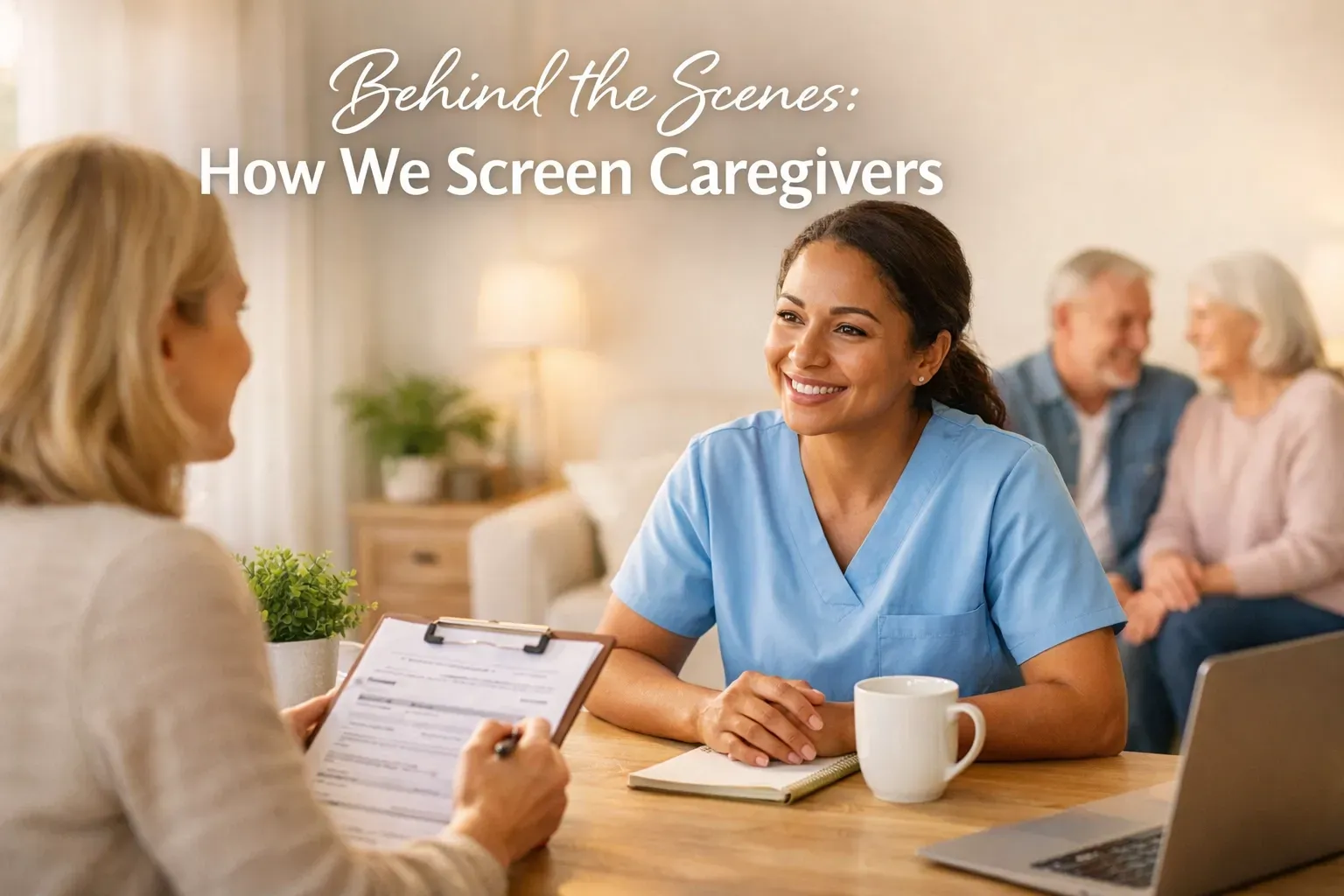
Background checks. Make sure the agency conducts thorough screenings. At Handy Care, all our caregivers are background-checked through Washington State Patrol and DSHS.

Personalized care plans. Every veteran is different. Look for an agency that creates customized plans based on individual needs: not a one-size-fits-all approach.

Culturally sensitive care. Veterans come from all backgrounds. Choose a provider that respects and honors cultural differences.

Competitive rates. Quality care shouldn't break the bank. Ask about pricing and whether they accept VA benefits.

Experience. Decades of experience means an agency has seen it all: and knows how to handle whatever comes up.


What Services Can You Get?


With the right home care agency, veterans can receive a wide range of support.

Personal Care: Help with bathing, dressing, grooming, and mobility. These are the basics that keep you comfortable and safe.


Home Making: Light housekeeping, meal preparation, laundry, and keeping your home tidy. A clean space makes a big difference.


Transportation & More: Rides to doctor's appointments, medication reminders, and errands. Never miss an important visit again.


You've Served. Now Let Us Serve You.


You gave so much to this country. You deserve support that honors that sacrifice.

Navigating VA benefits can feel overwhelming. But you don't have to figure it out alone. Handy Care accepts VA benefits and is here to help veterans and their families every step of the way.


Our caregivers are licensed, background-checked, and trained to provide compassionate, personalized care. We've been serving families across King and Snohomish Counties for decades: and we'd be honored to serve you too.


Ready to learn more? Contact us today to talk about your options. We'll answer your questions, help you understand your benefits, and create a care plan that works for you.


You've earned this. Let's get started.

By Lily Makundi February 25, 2026
Hi there! I’m Lilian Makundi, the CEO of Handy Care. If you’ve been searching for a little extra help for a parent or a loved one, you’ve probably run into a wall of confusing terms. One minute you’re reading about "home health," the next it’s "in-home care," and suddenly it feels like you need a medical degree just to understand the brochures! I get it. It’s overwhelming. Most of the families I talk to in Bellevue and across Washington State just want to know one thing: What exactly can a caregiver do to make my life (and my loved one’s life) easier? Non-medical home care is the secret ingredient that helps seniors stay safe and happy in their own homes. It isn’t about hospital beds and IV drips; it’s about the heart of daily living. Let’s break down what this looks like in our beautiful corner of the Pacific Northwest. The Big Confusion: Home Care vs. Home Health Care Before we dive into the services, let’s clear up the biggest mix-up in the industry. It’s a question we get every day at Handy Care. Home Health Care is clinical. Think of it as "hospital-at-home." It involves skilled nursing, physical therapy, or wound care. It is usually prescribed by a doctor after a surgery or a major illness. Because it’s medical, it’s often short-term and covered by Medicare. Non-Medical Home Care (what we do!) is all about supportive living. You don’t need a doctor’s order to start. It focuses on the "Activities of Daily Living" (ADLs). It’s for the person who is generally stable but needs help with things like getting dressed, cooking meals, or getting to the grocery store. This type of care is about long-term independence and quality of life. In short: Home Health helps you get better. Non-medical Home Care helps you live better. 5 Things Non-Medical Home Care Includes When you hire a home care agency in Washington State , you aren't just getting a "sitter." You are getting a professional who is trained to manage the moving parts of a household. Here is what that looks like in practice. 1. Personal Care (The Hands-On Support) This is the most intimate part of what we do. As we age, things like stepping into a slippery bathtub or reaching for a zipper can become scary or even dangerous. Our caregivers provide gentle, dignified assistance with the basics. Bathing and Grooming: Helping your loved one feel fresh and confident. Dressing: No more struggling with buttons or shoes. Toileting and Incontinence Care: Handling sensitive needs with the utmost respect. Mobility Assistance: Helping someone get from the bed to the chair or navigate stairs safely. For more details on this, check out our Personal Care page. 2. Home Making (The "Heavy Lifting" of Daily Life) A cluttered home isn't just stressful; it’s a trip hazard. Our caregivers ensure the environment stays safe and sparkling. Light Housekeeping: Dusting, vacuuming, and keeping the kitchen tidy. Laundry: Washing, drying, and putting away clothes so the hamper never overflows. Meal Preparation: Cooking nutritious, delicious meals that cater to specific dietary needs (like low-sodium or diabetic-friendly diets). Explore how we keep things running smoothly on our Home Making page. 3. Transportation and Errands Giving up the car keys is one of the hardest things for a senior to do. It feels like losing freedom. Our caregivers restore that freedom by being the "designated driver." Doctor Visits: We don’t just drop them off; we make sure they get into the office safely. Grocery Shopping: Picking up the essentials or taking your loved one along for the trip. Social Outings: Whether it's a trip to the Bellevue Botanical Garden or a lunch date with friends, we make it happen. Check out our Transportation services to see how we help. 4. Medication Reminders While our caregivers don't "administer" medication (like giving injections), they are experts at the "reminder." We make sure your loved one takes the right pill at the right time. This gives families huge peace of mind, knowing that a missed dose won't lead to an emergency room visit. 5. Companionship (The Heart of Care) Isolation is a major health risk for seniors. Sometimes, the most important thing we do is simply be there. Conversation: Sharing stories over a cup of tea. Activities: Playing cards, doing puzzles, or going for a light walk. Emotional Support: Being a consistent, friendly face that your loved one can count on. Why Choosing a Licensed Agency Matters in Washington You might be tempted to hire "the lady down the street" to save a few dollars. But in Washington State, choosing a licensed home care agency in Bellevue, WA is about safety and accountability. At Handy Care, our standards are high because your family deserves the best. Licensed Professionals: Our caregivers are often CNAs (Certified Nursing Assistants) or HHAs (Home Health Aides). They have the training to handle emergencies and complex needs. Rigorous Background Checks: We do the vetting so you don't have to. Every caregiver undergoes a thorough state and federal background check. Culturally Sensitive Care: Washington is a melting pot. We pride ourselves on matching caregivers who understand the language, food, and traditions of your family. Supervision: We don't just send a caregiver and disappear. We provide ongoing supervision and adjust care plans as your loved one’s needs change. Where We Provide In-Home Care in Bellevue and Beyond Handy Care is deeply rooted in our local communities. We provide high-quality in-home care in Bellevue and the surrounding areas. If you live in any of these counties, we are here for you: King County: Bellevue, Bothell, Burien, Des Moines, Federal Way, Kent, Kirkland, Medina, Mercer Island, Milton, Newcastle, Redmond, Renton, Sammamish, Seattle, Shoreline, Tukwila, and Woodinville. Snohomish County: Arlington, Bothell, Brier, Edmonds, Everett, Lake Stevens, Lynnwood, Marysville, Mill Creek, Monroe, Mountlake Terrace, Mukilteo, Snohomish, Stanwood, and Woodway. Pierce County: Auburn, Gig Harbor, Lakewood, Puyallup, Sumner, and Tacoma. Skagit County: Anacortes, Burlington, Mount Vernon, and Sedro Wooley. Whatcom County: Bellingham. Whether you need a few hours a week in Everett or 24/7 care in Puyallup, our team is ready to step in. How to Choose the Right Agency for Your Family If you’re ready to take the next step, here are three quick tips for choosing the right partner: Ask About the Care Plan: Does the agency create a customized plan, or is it "one size fits all"? (At Handy Care, every plan is unique!). Check the Communication: How does the agency update you? You should never be left wondering how your mom or dad is doing. Trust Your Gut: When you call, do you feel heard? Caregiving is personal. You want an agency that treats you like family, not a file number. You Don’t Have to Do This Alone If you’ve been feeling the weight of caregiving on your shoulders, please hear this: It is okay to ask for help. Providing care for a loved one is a beautiful act of love, but it’s also exhausting. By bringing in a professional caregiver for respite care or daily support, you aren't "giving up." You are actually making it possible to be a better daughter, son, or spouse because you aren't burnt out. At Handy Care, we believe that every senior deserves to age with dignity in the place they love most: their home. We are here to provide the compassion, the safety, and the extra set of hands you need. Ready to chat? We’d love to hear your story and see how we can help. Call us today at (425) 977-9455 for a friendly, no-pressure consultation. Let's make life a little easier, together. 
By Lily Makundi February 23, 2026
The body content of your post goes here. To edit this text, click on it and delete this default text and start typing your own or paste your own from a different source.
By Lily Makundi February 20, 2026
Your mom seems a little more tired lately. Your dad gets dizzy when he stands up. Your grandmother forgot what time she took her morning pills: again. These small moments? They're easy to brush off. But they might be telling you something important about medication management. When someone takes multiple medications daily, mistakes happen. Seniors especially face challenges keeping track of dosages, timing, and interactions. The thing is, medication errors rarely announce themselves with sirens and flashing lights. They whisper through subtle changes that family members often miss until something serious happens. Let's talk about the warning signs that deserve your attention. Why Medication Management Gets Complicated Taking medications correctly sounds straightforward. But think about what it actually involves: remembering which pills to take when, understanding the instructions, coordinating multiple prescriptions from different doctors, and noticing when something feels off. For seniors managing conditions like diabetes, heart disease, or high blood pressure, the medication list grows longer. Add in normal age-related changes: memory shifts, vision changes, arthritis making bottles hard to open: and suddenly what should be simple becomes genuinely challenging. The stakes are high. Missing doses means conditions don't get controlled. Taking too much creates dangerous side effects. Mixing medications incorrectly can lead to serious interactions. The good news? You can spot problems early if you know what to look for. 7 Subtle Warning Signs of Medication Problems 1. The Pill Organizer That Never Empties You bought that weekly pill organizer to make things easier. But when you visit, you notice Monday's compartment still has pills: and it's already Wednesday. Unopened pill organizers or full prescription bottles tell a story. Maybe your loved one can't open them. Maybe they're confused about when to take them. Maybe they're choosing not to take them because of side effects they haven't mentioned. What to watch: Check the pill organizer regularly. Count remaining pills in bottles to see if they match what should be left based on the prescription date. 2. Confusion About Timing and Dosages Your dad takes his blood pressure medication "whenever he remembers." Your mom isn't sure if she already took her morning pills, so she takes them again: just in case. This kind of confusion is a red flag. When someone can't reliably remember medication schedules, they're at serious risk for both missed doses and accidental double-dosing. What to watch: Listen for vague answers about medication timing. Notice if they can't tell you what each medication is for or how often they're supposed to take it. 3. New Physical Symptoms That Seem Minor Sudden dizziness. Unexpected drowsiness. Nausea that wasn't there before. These physical symptoms often get blamed on "getting older" or "not sleeping well." But they're actually common signs of medication problems. Too much medication, the wrong medication, or dangerous drug interactions all show up through physical symptoms first. What to watch: Dizziness when standing, unusual fatigue, digestive issues, skin rashes, changes in heart rate, muscle weakness, or new tremors. Pay special attention to symptoms that started after a medication change. 4. Behavioral Changes You Can't Quite Explain Your normally cheerful grandmother seems withdrawn. Your dad's suddenly irritable for no clear reason. Your mom's sleeping patterns have completely changed. Personality shifts, mood changes, and behavioral differences can indicate that medications aren't working correctly: or are creating unwanted effects on the brain. What to watch: Unusual agitation, social withdrawal from activities they used to enjoy, appetite changes, slurred speech, slowed responses, or confusion in someone who's usually sharp. 5. The Recovery That Isn't Happening The medication should be working by now. The doctor said symptoms should improve. But they're not. When someone faithfully takes their prescribed medication but sees no improvement, something's wrong. Maybe they're not taking it correctly. Maybe the dosage needs adjustment. Maybe there's an interaction with another medication. What to watch: Lack of expected improvement despite medication adherence. Conditions that seem to be getting worse instead of better. 6. Medication Supply Mysteries The prescription was filled three weeks ago and should last a month. But the bottle's already empty. Or the opposite: after three weeks, barely any pills are gone. Running out too soon suggests someone's taking too much. Having too many left indicates missed doses. Both patterns point to medication management problems. What to watch: Prescriptions that need refilling too early or too late. Multiple bottles of the same medication because they "forgot" they already had some. 7. Information That Doesn't Match Up Your loved one says the doctor told them to take the medication with food. But the label says take on an empty stomach. The dosage they describe doesn't match what's written on the bottle. These discrepancies are serious. They suggest either miscommunication with the healthcare provider, misunderstanding of instructions, or errors at the pharmacy. What to watch: Inconsistencies between what they say the doctor said and what's on the prescription label. Gaps or illegible notes in medication logs. Frequent medication changes without clear explanations. What Family Caregivers Can Do Spotting these warning signs is step one. But what comes next? Start with a medication review. Gather all medications: prescriptions, over-the-counter drugs, vitamins, supplements. Make a complete list with dosages and timing. Share this with their primary care doctor. Simplify the system. Work with the pharmacist to coordinate refill dates. Ask about combination medications that reduce pill count. Request easy-open bottles if arthritis is an issue. Create visual reminders. A large-print medication schedule posted on the refrigerator helps. Alarm reminders on phones work for some people. Whatever system you choose, it needs to match your loved one's abilities and habits. Have honest conversations. Ask about side effects they might not be mentioning. Talk about whether they're struggling to afford medications (which leads to skipped doses). Listen without judgment. But here's the reality: even with the best systems, medication management takes consistent attention. If you're not there daily, gaps happen. When Professional Help Makes Sense You can't be everywhere at once. If you live in a different city, work full-time, or have your own family to care for, providing daily medication support becomes nearly impossible. That's where in home care bellevue services fill a crucial gap. Professional caregivers provide medication reminders as part of their daily visits. They don't just hand over pills: they observe for side effects, track what's taken and when, and communicate changes to family members and healthcare providers. For families across King, Snohomish, Pierce, Skagit, and Whatcom counties, this support means their loved ones stay safely at home while getting the medication management they need. Look for agencies that offer: Certified, trained caregivers who understand medication safety and know what warning signs need immediate attention. Consistent scheduling with the same caregiver when possible, so someone familiar notices subtle changes. Clear communication systems that keep you informed about medication compliance and any concerns. Flexibility to adjust services as needs change, from once-daily visits to around-the-clock support. Choosing the Right Home Care Partner Not all home care bellevue wa providers approach medication support the same way. Some see it as a basic task. Others understand it's a critical safety issue that requires training, attention, and communication. Ask potential agencies specific questions: How do caregivers handle medication reminders? What training do they receive? How do they document what medications were taken and when? What happens if they notice concerning symptoms? How do they communicate with families and healthcare providers? The right agency treats medication management as the serious responsibility it is. They train caregivers thoroughly. They follow proper protocols. They communicate proactively when something seems off. They also understand that medication support is just one piece of the puzzle. The best home health care bellevue providers look at the whole person: are they eating well? Getting enough hydration? Moving safely around their home? All of these factors affect how medications work and how well someone manages their routine. You Don't Have to Figure This Out Alone  Watching for medication mistakes while juggling your own responsibilities feels overwhelming. You're trying to protect your loved one while managing work, your own family, and the hundreds of other things on your plate. You're doing your best. And sometimes, your best includes asking for help. At Handy Care , we work with families throughout Bellevue, Seattle, Tacoma, Everett, Bellingham, and surrounding communities who need reliable medication support for their loved ones. Our caregivers understand that those little pill bottles represent independence, health, and safety. We notice the subtle warning signs. We provide gentle, consistent reminders. We communicate with you so you stay informed without having to be there every single day. Learn more about our personal care services or reach out to our team . Let's talk about what medication support looks like for your family( because catching problems early makes all the difference.)
By Lily Makundi February 18, 2026
The body content of your post goes here. To edit this text, click on it and delete this default text and start typing your own or paste your own from a different source.
By Lily Makundi February 18, 2026
The body content of your post goes here. To edit this text, click on it and delete this default text and start typing your own or paste your own from a different source.
By Lily Makundi February 16, 2026
The body content of your post goes here. To edit this text, click on it and delete this default text and start typing your own or paste your own from a different source.
By Lily Makundi February 13, 2026
The body content of your post goes here. To edit this text, click on it and delete this default text and start typing your own or paste your own from a different source.
By Lily Makundi February 12, 2026
The body content of your post goes here. To edit this text, click on it and delete this default text and start typing your own or paste your own from a different source.
By Lily Makundi February 11, 2026
The body content of your post goes here. To edit this text, click on it and delete this default text and start typing your own or paste your own from a different source.
By Lily Makundi February 10, 2026
The body content of your post goes here. To edit this text, click on it and delete this default text and start typing your own or paste your own from a different source.